All Categories
Featured


Proven Industry Solutions and Growth Proof
Table of Contents
ENA and BEAMA have appointed a consortium of leading energy consultancies LCP Delta, EA Innovation, Frontier Economics, and Energy & Utility Abilities to provide the next stage of the Electrical energy Networks Sector Development Plan. This stage builds on last year's interim report, which identified more than 100 billion in required investment, the prospective to support tens of thousands of additional tasks by 2050, and the foundations for the larger net zero economy to contribute billions to the UK economy.
In specific, it will consider how the sector reinforces the UK supply chain for services and products, and how it produces premium jobs while enhancing energy security. It will likewise set out a comprehensive roadmap for providing benefits. The development strategy will likewise explore the UK's possible to become a world leader in network innovation, capabilities and Copyright Rights (IPR), building on the sector's existing strengths.
In this stage, the consortium will carry out a comprehensive analysis of the sector's present capability, future growth chances and barriers to delivery. This will consist of a comprehensive evaluation of supply chains, skills pipelines, investment pathways and the policy environment. By working closely with industry stakeholders, the consortium will identify vital gaps, prioritise interventions and establish a clear, actionable roadmap to guarantee the sector can scale at rate.
Leaders in electrical power network development and important electrical infrastructure services. Experts in network regulation and Green Book-compliant financial effect assessments. Suppliers of industry-leading workforce intelligence throughout transmission, distribution and the larger supply chain.
[target1:anchor_exact1]Understanding the Risk-Free Rate in the DCF Model In a DCF (Reduced Capital) model, we compute the Cost of Equity (Ke) to estimate just how much return investors anticipate from a business's stock. To discover Ke, we use the formula from the CAPM design: Ke = Risk-Free Rate + (Beta Equity Danger Premium) So, one key input here is the Risk-Free Rate but what does that really imply? From my understanding The Risk-Free Rate represents the return a financier can make with nearly no threat.
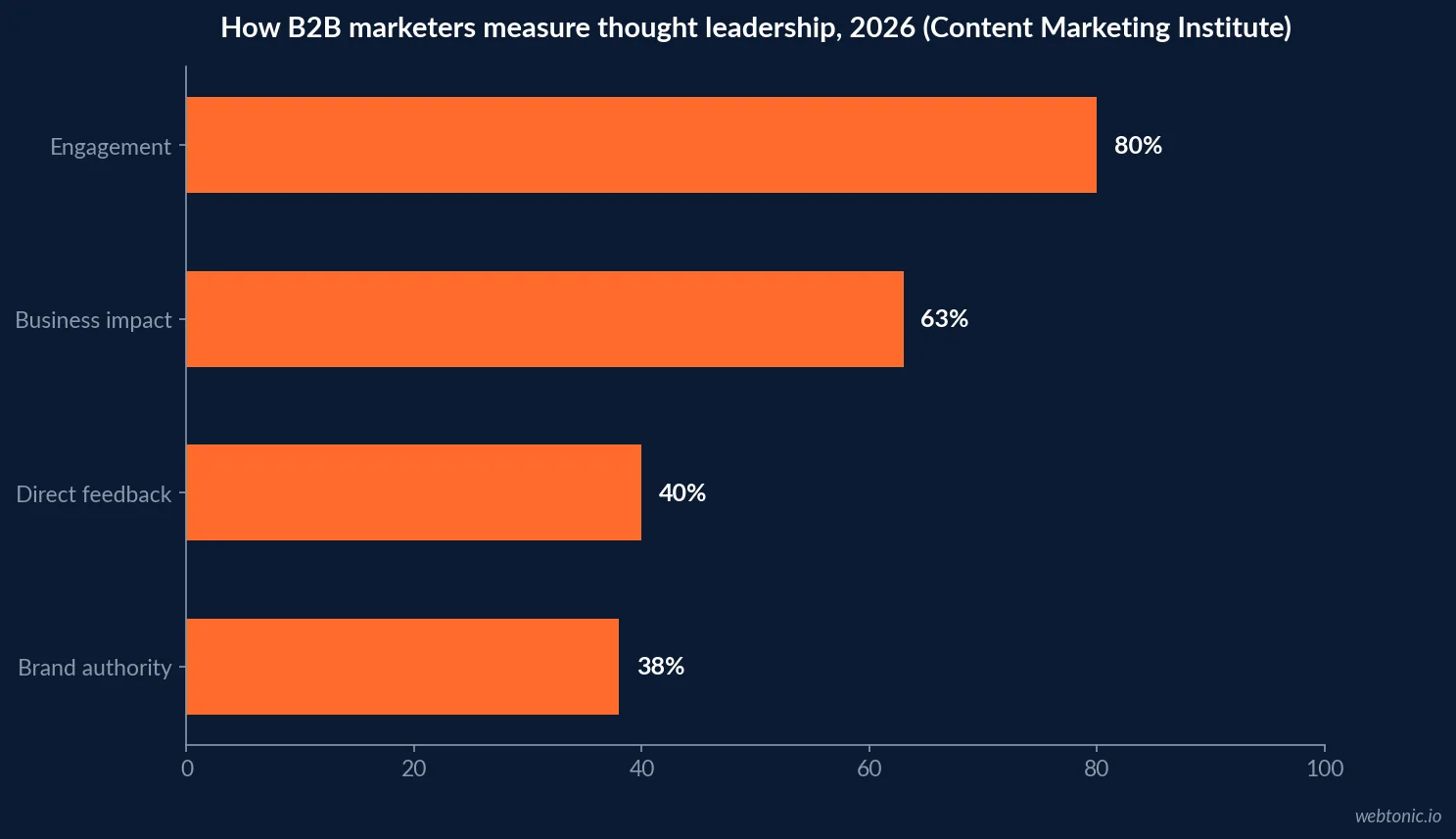
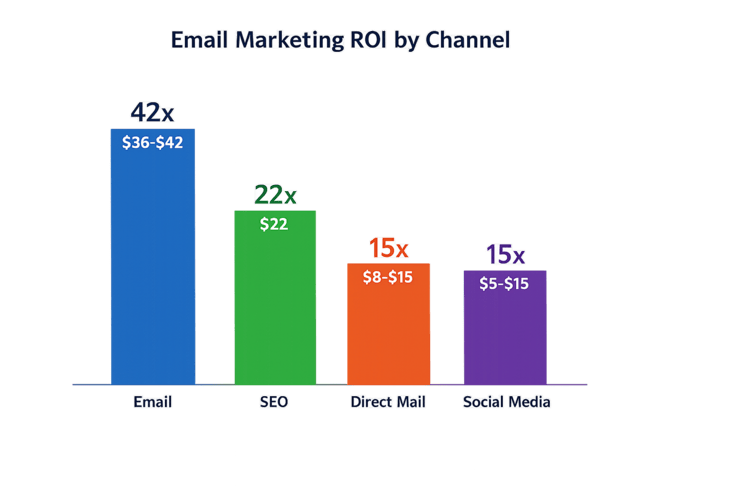
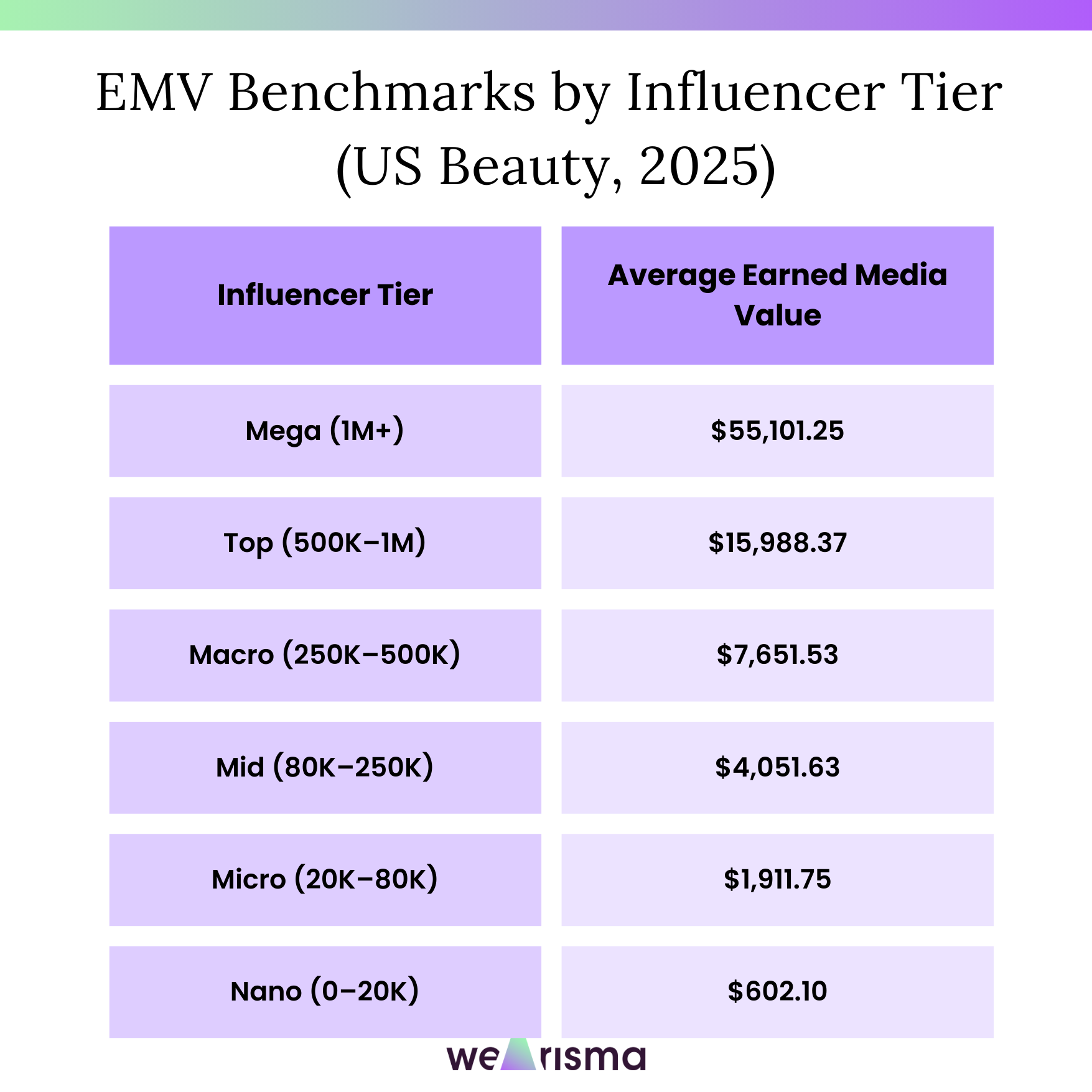
Measuring Performance Benchmarks against Industry Standards
Now, no investment is 100% risk-free but Federal government Bonds come closest. In the stock market, returns are high but so is the risk. That's why, when experts desire to approximate the Risk-Free Rate, they usually take the 10-year Government Bond yield as a standard.
To make it as near to safe as possible, we use the fully grown 10-year federal government bond yield and, if needed, deduct the Country Default Spread specifically for emerging markets where federal government debt isn't entirely risk-free. Example: Let's say the 10-year Indian Government Bond yield is 7.2%, and India's nation default spread is 1.0%.
Simply put: The Risk-Free Rate informs us what return a financier can make without taking much threat. It's the foundation on which the entire evaluation stands. #Finance.
Utilizing Competitive Research to Drive Business Results
The GIZ Employment-Oriented MSME Promotion Project (GIZ-MSME) aims to support Jordanian micro, little, and medium business (MSMEs) in line with nationwide strategies by focusing on food processing, to name a few, as a sector with substantial growth and employment capacity. More specifically, the task aims to improve enterprise competitiveness, improve competencies within MSMEs, and improve business and financial investment environment in chosen sectors.
Under the auspices of both projects, the research study aimed to provide a general overview of the food processing sector and sub-sectors in terms of structure and market patterns, and significant difficulties and chances for development and growth; it was carried out in close consultation with relevant stakeholders, drawing on previous work done in the area.
All content on is for your basic details and use only and is not meant to address your specific requirements. In specific, the content does not make up any form of advice, recommendation, representation, endorsement or arrangement by FT and is not planned to be trusted by users in making (or avoiding making) any particular financial investment or other choices.
Share price info may be rounded up/down and therefore not completely accurate. Feet is not accountable for any usage of content by you outside its scope as mentioned in the FT Terms & Conditions.
Sector analysis is a crucial tool for financiers and business to evaluate various segments of the economy and determine opportunities for outperformance. It involves evaluating entire markets and financial sectors to figure out growth trends, competitive landscapes, and prospects relative to the general market. Sector analysis paves method for filtering much better performing companies.

Latest Posts
Key Metrics for Measuring Business Performance
Emerging Industry Marketing Trends for 2026
Measuring Marketing Metrics against Sector Standards